Lal Bahadur Shastri
Updated
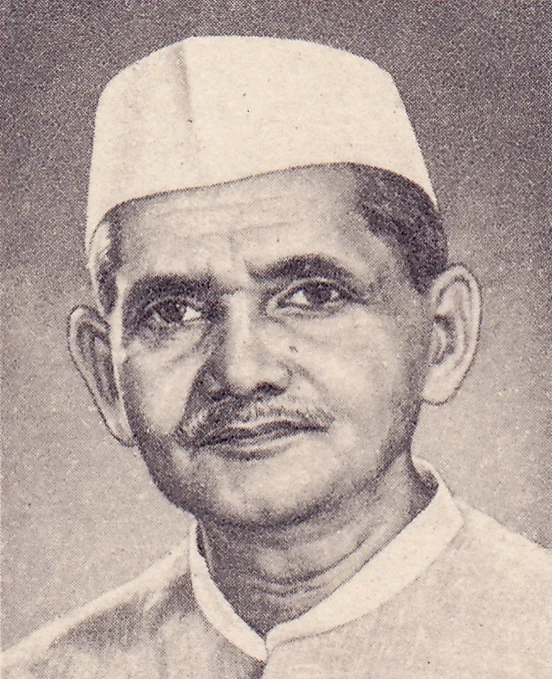
Shastri was born at Mughalsarai in 1904. His father, a schoolteacher, died while he was very young, and his mother moved with her children to her father’s home. He later attended school in Varanasi. Responding to Gandhi’s call for Non-Cooperation, he left his studies and subsequently joined Kashi Vidyapith. The qualification he received there became the name by which he was widely known.
Shastri participated in campaigns against British rule and spent periods in prison. His parliamentary biography records service in the Uttar Pradesh Legislative Assembly before and after the Second World War. He held organisational responsibilities in Congress and worked with the Servants of the People Society. Following independence, his responsibilities in Uttar Pradesh included policing and transport before his political career moved to the Union government.
Shastri served in the Rajya Sabha before becoming a Lok Sabha member, representing Allahabad in the third Lok Sabha. His Union responsibilities included railways and transport, transport and communications, commerce and industry, and home affairs. He resigned as Railway Minister following a serious railway accident. His official biographies also record involvement with rural work, educational organisations and Congress election organisation before he became Prime Minister.
Shastri became Prime Minister on 9 June 1964. During his term India fought the 1965 war with Pakistan, and his slogan Jai Jawan, Jai Kisan became associated with the period. He attended negotiations in Tashkent, where India and Pakistan signed an agreement on 10 January 1966. He died there the next day. The President’s Secretariat conferred the Bharat Ratna on him posthumously in 1966.
| Period | Position | Organisation | Region |
|---|---|---|---|
| 9 June 1964 – 11 January 1966 | Prime Minister of India | Government of India | India |
| — | Minister of Railways and Transport | Government of India | India |
| — | Minister of Home Affairs | Government of India | India |
| — | Member of Parliament, Lok Sabha | Lok Sabha | Allahabad |
| — | Member of Parliament, Rajya Sabha | Rajya Sabha | Uttar Pradesh |
| Year | Election | Constituency | Party | Result | Votes received | Margin |
|---|---|---|---|---|---|---|
| 1962 | Lok Sabha | Allahabad | Indian National Congress | won | 137324 | — |
- 1966Bharat RatnaReceived India’s highest civilian honour posthumously.
- 1966Tashkent AgreementParticipated in the agreement with Pakistan after the 1965 war.