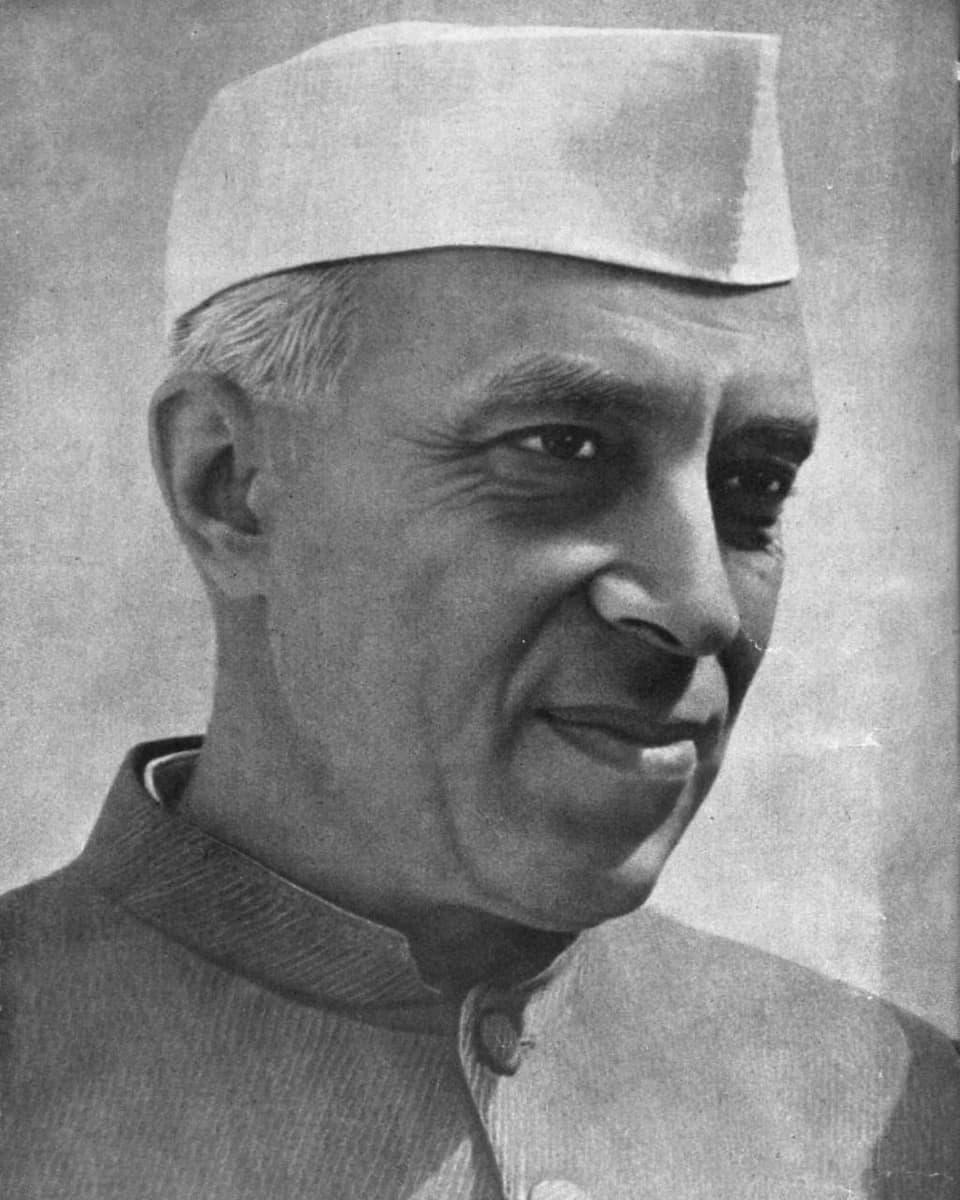

Jawaharlal Nehru
Updated
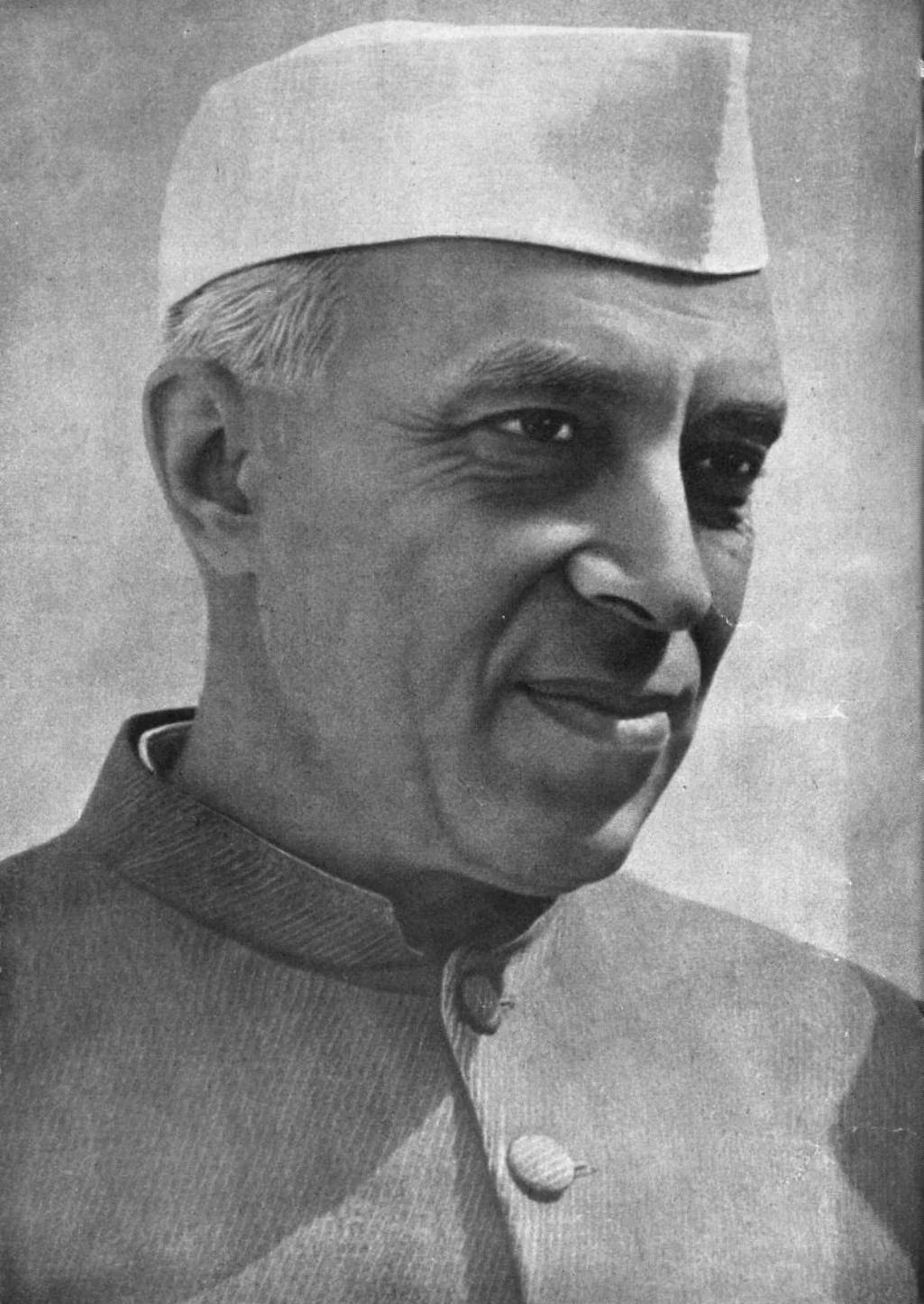
Nehru was born in Allahabad in 1889 to Motilal Nehru and Swarup Rani. His father practised law, and Nehru initially studied at home with tutors. He later attended Harrow in England and Trinity College, Cambridge. He married Kamala Kaul in 1916. Their daughter Indira Gandhi later became Prime Minister, linking his family history with several generations of Indian political life.
Nehru studied natural sciences at Cambridge and trained for the Bar at Inner Temple before returning to India in 1912. That year he attended the Congress meeting at Bankipore as a delegate. His early political work included the Home Rule League in Allahabad and organising a peasant march in Pratapgarh. Meeting Mahatma Gandhi in 1916 helped shape his involvement in the independence movement.
Nehru became a Congress general secretary in 1923 and presided over the Lahore session in 1929, when Congress adopted complete independence as its objective. He was imprisoned repeatedly during the Non-Cooperation, Civil Disobedience and Quit India movements. His political activity also included international meetings and travel. During imprisonment he wrote an autobiography, combining a record of his own experiences with reflections on Indian politics.
Nehru took office as Prime Minister on 15 August 1947 and continued until his death on 27 May 1964. He also held the external affairs portfolio throughout that period, according to the Ministry of External Affairs record of former ministers. His career therefore spanned the transition from Congress activity under colonial rule to leadership of independent India’s government. He received the Bharat Ratna in 1955.
| Period | Position | Organisation | Region |
|---|---|---|---|
| 15 August 1947 – 27 May 1964 | Prime Minister of India | Government of India | India |
| 15 August 1947 – 27 May 1964 | Minister of External Affairs | Government of India | India |
| — | President of the Indian National Congress | Indian National Congress | — |
| 27 May 1964 | Member of Parliament, Lok Sabha | Lok Sabha | Phulpur |
| Year | Election | Constituency | Party | Result | Votes received | Margin |
|---|---|---|---|---|---|---|
| 1962 | Lok Sabha | Phulpur | Indian National Congress | won | 118931 | — |
- 1947First Prime Minister of independent IndiaTook office when India became independent.
- 1955Bharat RatnaAwarded India’s highest civilian honour.