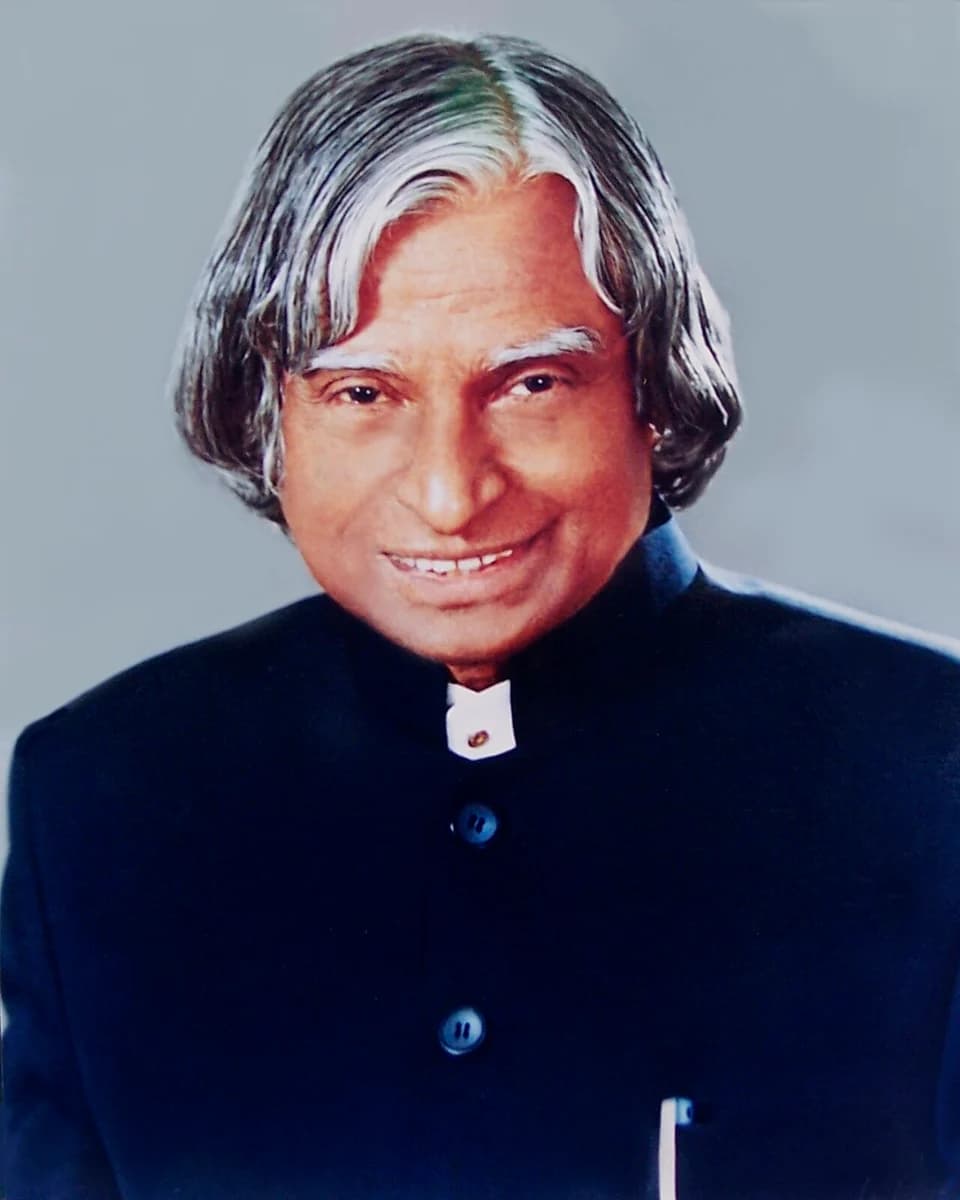

A. P. J. Abdul Kalam
Updated
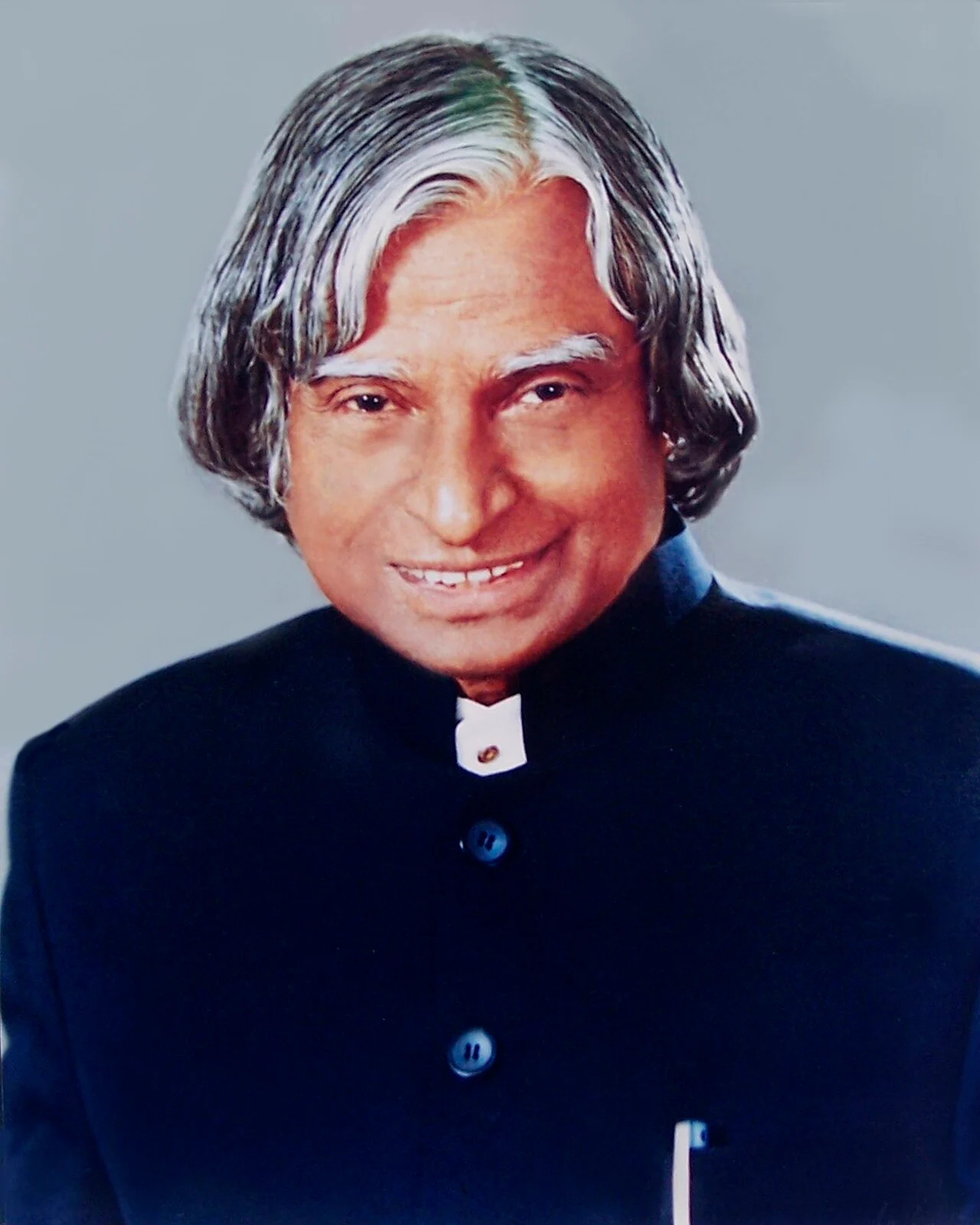
Avul Pakir Jainulabdeen Abdul Kalam was born at Rameswaram in Tamil Nadu in 1931. He studied aeronautical engineering at the Madras Institute of Technology and subsequently worked in India’s scientific institutions. His career combined engineering work with the management of large technology programmes. The President’s Secretariat biography records his subsequent responsibilities at the Indian Space Research Organisation and the Defence Research and Development Organisation before national public office.
Kalam served as project director for SLV-III, India’s first indigenous satellite launch vehicle. ISRO records that the vehicle placed the Rohini RS-1 satellite into orbit on 18 July 1980, following a partly successful experimental flight in 1979. The four-stage solid-fuel vehicle was designed for low Earth orbit. The programme developed experience in vehicle design, propulsion, guidance and launch operations that informed subsequent Indian launch vehicle projects.
At DRDO, Kalam led the Integrated Guided Missile Development Programme and worked on Agni and Prithvi missile systems. He later served as Scientific Adviser to the Defence Minister and Secretary of the Department of Defence Research and Development. His responsibilities included collaboration with the Department of Atomic Energy during the 1998 Pokhran tests. He also worked on Technology Vision 2020 and served as Principal Scientific Adviser to the government.
Kalam became President on 25 July 2002 and served until July 2007. Before the presidency, he taught at Anna University, and his later public work continued to include engagement with young people and education. His writings included Wings of Fire, India 2020 and Ignited Minds. He received the Padma Bhushan, Padma Vibhushan and Bharat Ratna. He died at Shillong on 27 July 2015, as announced by the Government of India.
| Period | Position | Organisation | Region |
|---|---|---|---|
| 25 July 2002 – 25 July 2007 | President of India | Government of India | India |
| — | Principal Scientific Adviser to the Government of India | Government of India | India |
| — | Scientific Adviser to the Defence Minister and Secretary, Defence Research and Development | Government of India | India |
- 1981Padma BhushanReceived the civilian award for his public work in science.
- 1990Padma VibhushanReceived India’s second-highest civilian honour.
- 1997Bharat RatnaReceived India’s highest civilian honour.
- 1980SLV-III projectServed as project director of the vehicle that placed Rohini in orbit.